
Image Alt Text: The Hidden SEO Trick Your Car Listings Might Be Missing

Image Alt Text: The Hidden SEO Trick Your Car Listings Might Be Missing
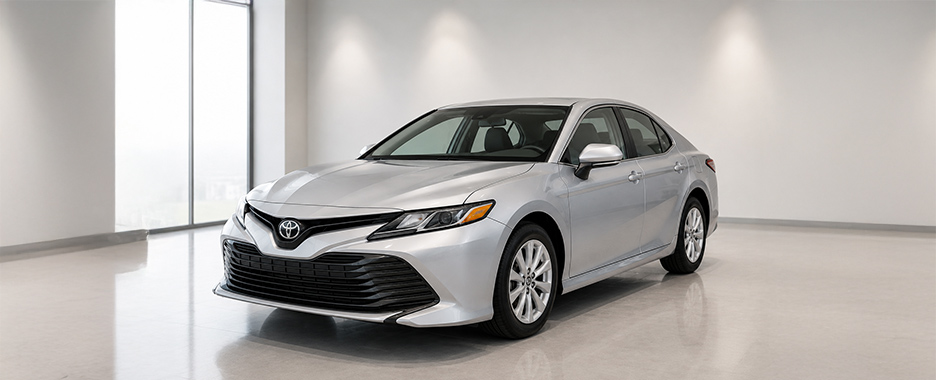
When people think about improving car listings online, they usually focus on the obvious stuff like sharp photos, catchy descriptions, competitive pricing, and maybe a flashy "low mileage” badge.
But hidden behind every uploaded automotive image is a hidden SEO factor called image alt text.
Image alt text can quietly improve your visibility, accessibility, and even your chances of showing up in search results. And if you’re in the business of selling cars online, that matters more than you think.
What Exactly is Alt Text?
Alt text (alternative text) is a short-written description attached to an image. It helps search engines understand what’s inside the image and allows screen readers to describe images to visually impaired users.
Think of it like giving your car photos a voice.
Instead of uploading an image called:
IMG_8472.jpg
You’re telling search engines:
Red 2025 Toyota Camry XSE front exterior view.jpg
And there is only one big difference. One says absolutely nothing. The other tells Google exactly what is being uploaded.
Why it Matters for Car Listings
Automotive inventory pages are image-heavy by nature. Customers want to see the grille, alloy wheels, touchscreen display, trunk space, even that oddly satisfying ambient lighting shot dealerships are heavily inclined to use nowadays.
But search engines cannot "see” images the way humans do. They rely on alt text to interpret them.
Without alt text, you’re basically showing Google a garage full of unlabeled cars and hoping it figures things out.
With proper alt text, your listings become easier to index and more likely to appear in image search results. That means more visibility, more traffic, and potentially more buyers discovering your inventory organically.
And let’s be honest, organic traffic is a lot cheaper than constantly throwing money at ads.
The SEO Advantage Nobody Talks About Enough
Here’s where things get interesting.
Well-written alt text can help reinforce keywords naturally throughout your listing pages. Not in a spammy "used car, red used car, best used car” kind of way. Google stopped falling for that years ago.
Descriptive, relevant alt text helps support your overall page context.
For example:
- "Blue Ford F-150 side profile parked outdoors”
- "2024 BMW X5 dashboard with digital display”
- "White Hyundai Tucson rear cargo space”
These descriptions help search engines better understand your inventory while also improving discoverability in image searches.
And image search traffic? Surprisingly valuable. People searching visually are often closer to making a buying decision.
The Trick is to Sound Human in Your Descriptions
A common mistake is stuffing alt text with robotic keywords.
Bad alt text:
"Camry Silver Toyota Camry for sale at Toyota Dealership Sales”
Good alt text:
"Silver Toyota Camry LE parked in dealership showroom for sale”
Simple. Clear. Natural. The goal isn’t to trick the algorithm with stuffed words. The goal is to accurately describe the image in a useful way.
If it sounds close to something someone would say to describe the image, you’re probably doing it right.
Small Detail, Big Difference
Alt text is one of those tiny details that rarely gets attention until someone realizes its impact.
- It improves accessibility and strengthens SEO.
- Enhances image discoverability.
- Makes listings more understandable
- Helps search engines connect buyers with the right vehicles faster.
Not bad for something most people skip in five seconds.
In automotive retail, the smallest optimizations often create the biggest long-term advantages. And while everyone else is obsessing over ad budgets and flashy banners, smart dealerships are quietly optimizing the details that compound over time.
Sometimes, the difference between a photo and a searchable asset is just a single sentence.
Blog Titles
- izmostock-Your One-Stop Source...
- A Guide to Using Car Stock...
- AI vs Studio-Produced Images...
- Best Practices for Using Stock...
- How to Select the Best Angles and...
- Five Ways Poor Vehicle...
- Five Automotive Stock Photo...
- Why Car Rental Companies Need...
- The Role of Car Images in SEO Rankings...
- The Importance of Interactive Imagery...
- How Metadata Files Enhance Your...
- Why Rights-Managed Licensing is...
- Image Alt Text: The Hidden SEO Trick ...
- Beyond Still Images...
- Trim-Level Image Customization...